
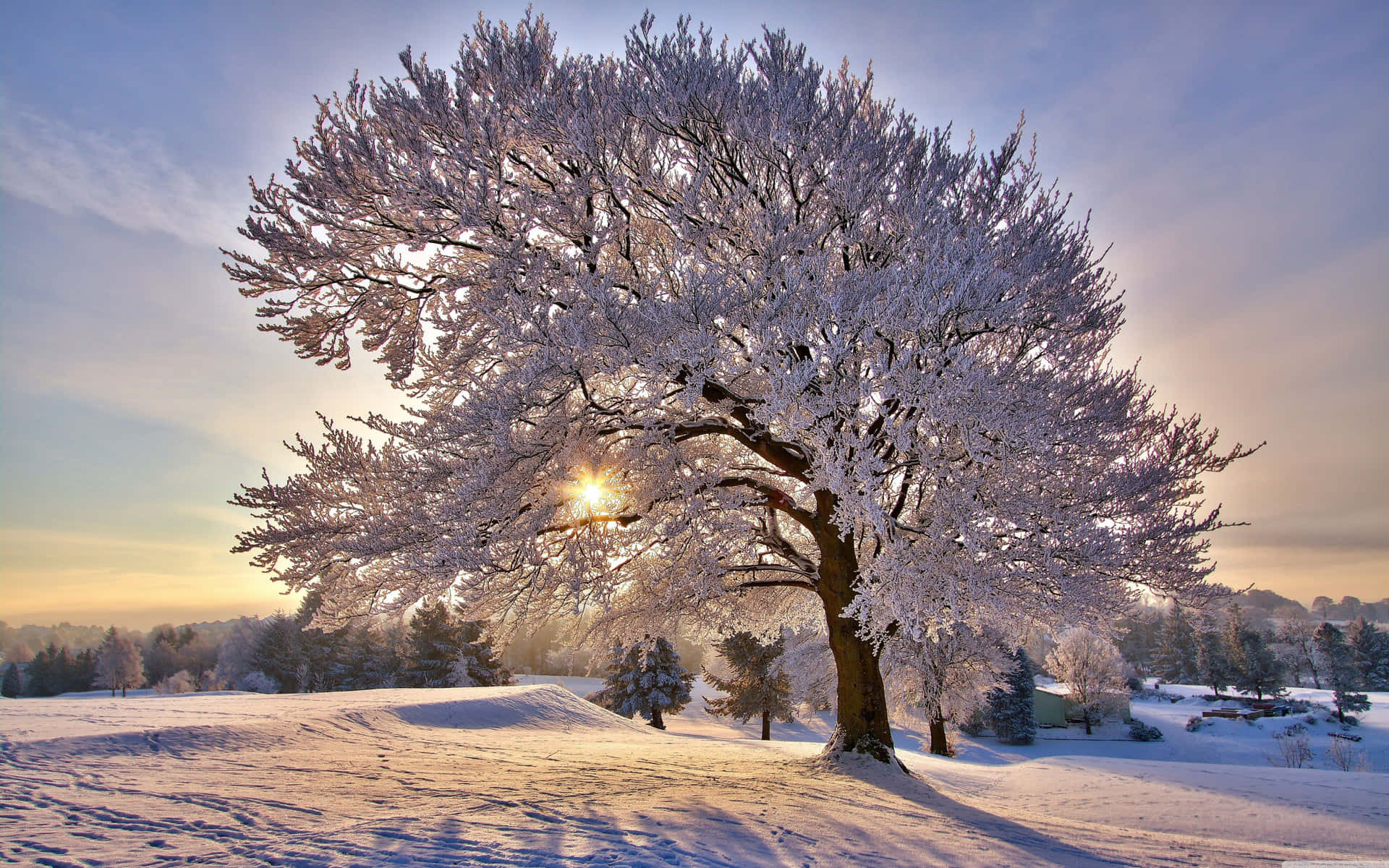

Winter may seem like a quiet time for nature, but trees are far from inactive. Beneath thew cold temperatures and bare branches, an incredible series of biological processes is at work. Here are 10 fascinating winter tree facts that reveal just how clever trees really are.
1.Trees Go Into Dormancy
In winter, many trees enter a state called dormancy, like hibernation. Their metabolism slows down, and they conserve energy to survive the colder months. This natural pause helps protect them from harsh weather and limited sunlight.
2.Trees Use Natural Insulation
Some trees hold onto dead leaves longer than usual, providing extra insulation around buds and branches. Snow can also act as a protective blanket, keeping roots warmer than the air above ground.
3.Vernalisation: Preparing For Spring
Many plants and trees need cold temperatures to bloom again. This process, known as vernalisation, resets their biological clock and prepares them for healthy growth in spring.
4. Evergreens keep their needles
Evergreen trees such as pines, spruces, and firs stay green all year round. Their needle-like leaves are tough, coated in wax, and designed to withstand winter weather – making them a favourite choice for Christmas trees.
5. Buds begin forming in later winter
Even while they appear lifeless, trees are busy preparing for spring. Buds start forming in late winter, containing the early stages of leaves and flowers ready to burst into life once temperatures rise.
6. Clever winter water management
To avoid damage from freezing water, tree cells adjust in winter by creating extra space. This prevents ice from expanding and bursting the branches a natural survival technique perfected over millions of years.
7.Maple syrup season begins
The famous maple syrup season starts at the end of winter, usually in February and March. Collecting the sap from maple trees is called tapping, and the freeze – thaw cycle is vital for getting the sap flowing.
8.Conifer needles save energy
Conifers keep their needles as an energy-saving strategy. By retaining their leaves, they avoid using valuable resources to grow new foliage each spring—making them incredibly efficient survivors.
9.Holly trees stay green all winter
Holly trees are another example of evergreens that hold onto their leaves. Their glossy green foliage and bright red berries provide colour and wildlife food throughout the darkest months.
10.Winter reveals beautiful tree skeletons
With leaves gone, winter offers the perfect opportunity to appreciate the unique branch architecture of different tree species. Each silhouette tells a story about the tree’s growth, age, and character.
Winter may appear to slow trees down, but it is a vital season for their health and resilience. By understanding how trees survive and adapt during the colder months, we can better care for them and ensure they remain safe, strong, and ready for growth when spring arrives. At Artemis Tree Services, our experienced team provides expert tree care all year round – helping you protect both your trees and your property, whatever season.