During periods of hot and dry weather, trees can struggle to get enough water. This can lead to drought stress, which may cause changes to the leaves, branches and overall health of the tree.
But can trees recover from drought stress? In many cases, yes. How well a tree recovers depends on factors such as its age, species, overall health, soil conditions and how long it has been without enough water.
What Is Drought Stress in Trees?
Drought stress happens when a tree loses more water than it can take up through its roots. During hot, dry or windy weather, trees lose water more quickly, while dry soil makes it harder for the roots to replace that water.
Trees have natural ways of reducing water loss. For example, they can close tiny pores in their leaves to reduce the amount of water escaping. However, during prolonged dry weather, these natural processes may not be enough to prevent stress.
Young and recently planted trees can be particularly vulnerable because their root systems have not yet fully established.
What Are the Signs of Drought Stress in Trees?
Knowing the signs of drought stress in trees can help you act before the problem becomes more serious.
Common signs include:
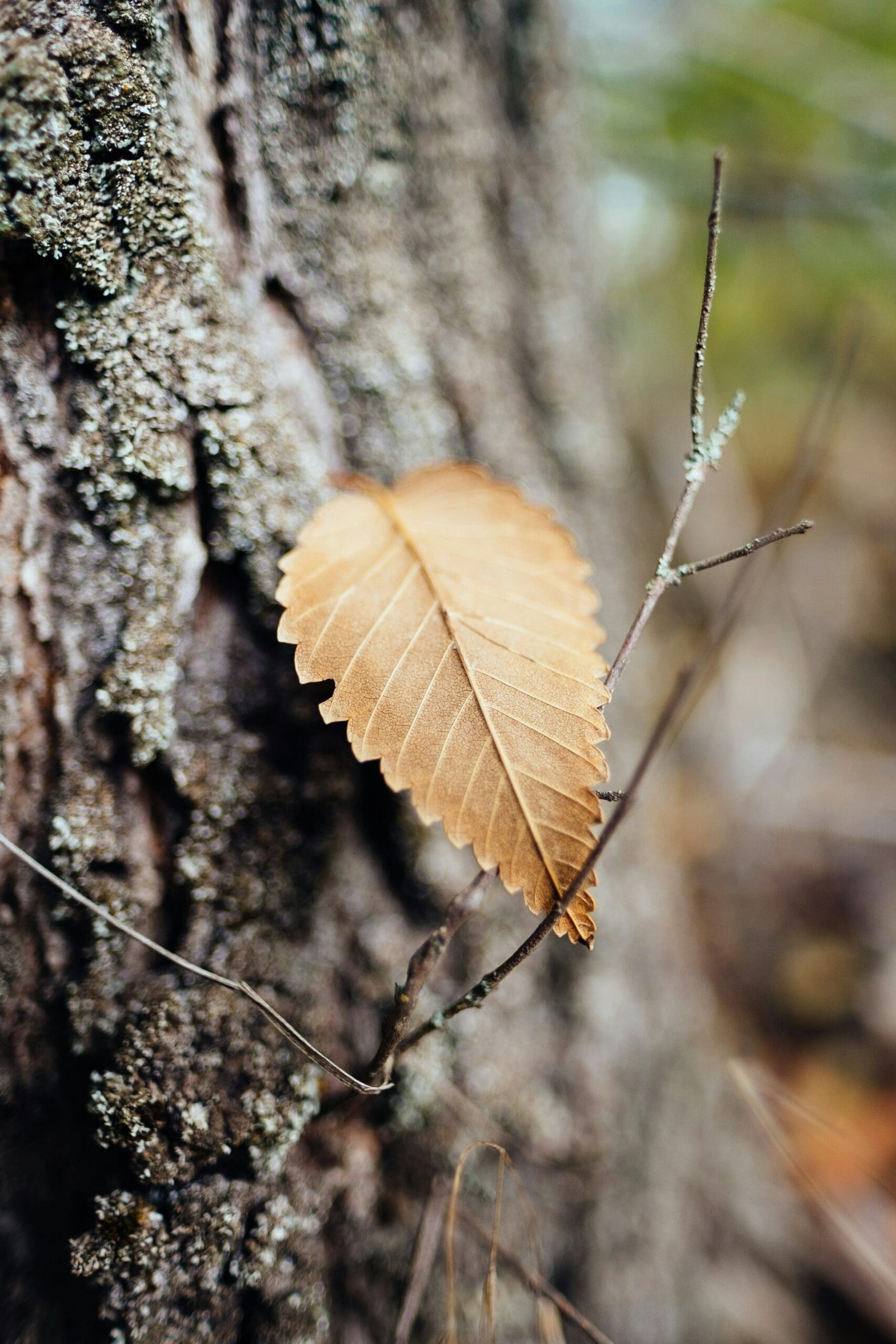
Brown leaves and leaf drop can be worrying, but they do not always mean that a tree is dying. Weather-related damage, including drought, can cause these symptoms while the tree is still capable of recovering.
Can Trees Recover From Drought Stress?
Yes, many trees can recover from drought stress, particularly if the stress is identified early and the tree receives the right care.
A tree may lose leaves during a period of drought as a way of reducing water loss. Once conditions improve and there is enough moisture available to the roots, the tree may begin producing new growth.
However, prolonged or severe drought can cause more serious damage. If the roots are badly affected or branches begin to die back, recovery can take much longer and, in some cases, the tree may not survive. Extended periods of drought can also leave trees more vulnerable to pests and diseases.
How to Help a Tree Recover from Drought
If you think a tree is suffering from drought stress, there are several things you can do to support its recovery.
When watering a tree during dry weather, the aim is to get water down into the soil where the roots can access it, rather than simply wetting the surface.
Water slowly around the root area so that the moisture can soak into the ground. Young trees and recently planted trees generally need more attention during dry spells, while established trees usually only need watering during prolonged periods of dry weather.
Don’t assume that the soil is wet just because you have watered the tree or there has been a small amount of rain.
Check the soil around the tree to see whether it is moist below the surface. Soil type, weather conditions and the tree’s age can all affect how much water is available to the roots.
Adding a layer of suitable organic mulch around the tree can help retain moisture in the soil and reduce competition from grass and other plants.
Mulch should be kept away from direct contact with the trunk.
A tree already suffering from drought stress may have fewer resources available for growth and recovery. Avoid causing additional damage to the root area, such as unnecessary digging or soil compaction.
Keeping the area around the tree free from competing vegetation can also help reduce competition for available water.
Are Young Trees More at Risk from Drought?
Yes. Young and recently planted trees are particularly vulnerable to drought stress.
Their root systems are still developing, meaning they have not yet spread far into the surrounding soil. The first few growing seasons are especially important for helping a new tree become established.
This is why newly planted trees should be monitored carefully during hot and dry weather and watered thoroughly when needed.
When Should You Be Concerned About a Drought-Stressed Tree?
A tree showing some brown or wilted leaves does not necessarily need to be removed. Trees can sometimes recover from significant weather-related stress.
However, if you notice extensive branch dieback, large areas of dead wood, poor growth or symptoms that continue after conditions improve, it may be worth getting professional advice.
It is also important to remember that drought is not the only possible cause of brown leaves, leaf loss or dieback. Pests, root problems, soil conditions and other forms of weather damage can cause similar symptoms.
How Long Does It Take a Tree to Recover from Drought?
There isn’t a set recovery time for every tree. A mildly stresses tree may begin to improve once moisture levels return to normal, while a tree that has experienced prolonged drought may take much longer to recover.
The species, age and condition of the tree, as well as the severity and length of the drought, will all make a difference.
Even if a tree starts producing new leaves, it can take time for its overall health and growth to return to normal.
Preventing Drought Stress in Trees
While you cannot control the weather, there are steps you can take to help trees cope with dry conditions.
Planting trees in suitable locations, improving soil conditions and using mulch can help improve moisture retention. Newly planted trees should also receive appropriate watering during their establishment period.
Healthy trees are generally better equipped to deal with periods of environmental stress, so regular monitoring can help identify potential problems early.
When to Get Professional Advice
If a tree has been affected by a long period of hot and dry weather, it is worth keeping an eye on how it develops over the following weeks and months. Some signs of damage may take time to become noticeable, particularly if the tree has experienced prolonged stress.
If you notice significant dead branches, ongoing dieback, damaged bark or concerns about the tree’s stability, a professional assessment can help identify the cause and determine whether any work is needed. Artemis Tree Services is here to help. Our team can assess the tree and provide advice based on its condition and surroundings.
Get in touch with us today to discuss your tree requirements.