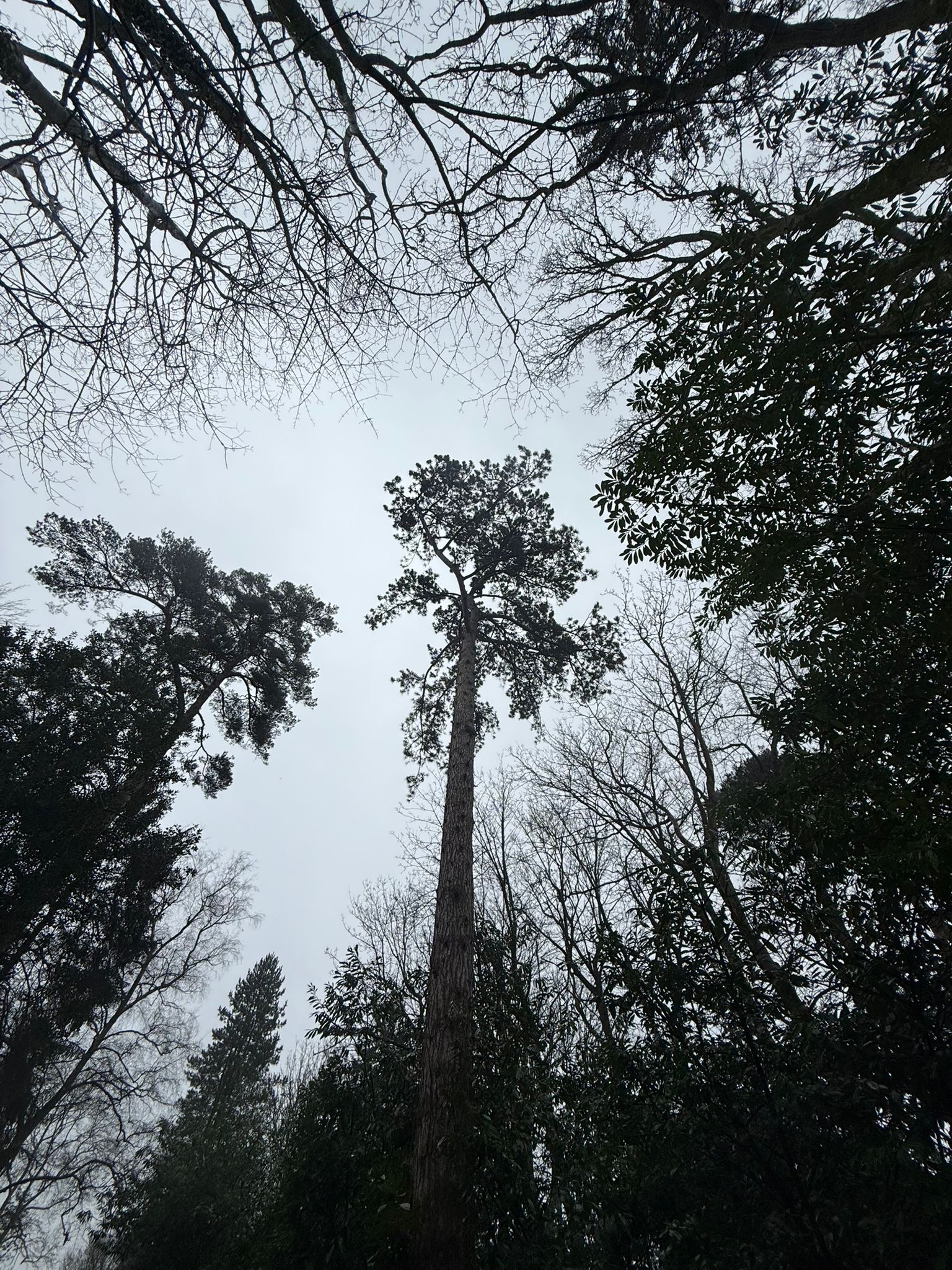

February might feel like a quiet month in your garden, but it’s actually one of the best times to spot developing tree problems. With leaves gone and growth slowed, structural issues and hidden damage are often much easier to see.
Here are a few common issues to look for:
Dead or dying branches
Late winter is ideal for identifying deadwood and unsafe limbs.
Signs of dead branches:
Dead branches pose a serious risk during high winds, snow and ice. Winter storms across the UK frequently cause weakened limbs to fail without warning.
Cracked trunks and structural weakness
Cold weather and repeated freeze – thaw cycles can worsen existing faults.
Look out for:
Structural defects are one of the leading causes of tree failure. Early intervention by a qualified tree surgeon can prevent major damage to property or nearby footpaths and roads.
Tree disease visible in winter
Many fungal infections and tree diseases are easier to detect when foliage is absent
February warning signs:
The presence of fungal brackets often indicates internal decay. Common UK tree diseases such as ask dieback and various canker diseases may show visible symptoms during winter.
Signs of insect damage
Although insects are inactive in February, evidence of infestation remains.
Watch for:
Winter storm damage
Heavy rain, snow, and strong winds are common during February in the UK.
After a storm check for:
Even minor damage can deteriorate quickly. Prompt attention from a professional tree surgeon reduces risk and supports recovery.
Root problems and soil instability
Tree issues often begin below ground
February indicators include:
Root instability increases the risk of tree failure during spring storms. Addressing soil and root concerns early improves tree stability and health.
February is one of the most important months for identifying potential tree hazards and underlying health issues. With trees dormant and structure clearly visible, problems such as dead branches, disease, storm damage and root instability are far easier to detect. Acting now not only improves safety but also supports stronger, healthier growth in spring.
A professional winter inspection from Artemis Tree Services ensures your trees remain safe, structurally sound and properly maintained all year round.